Is Blepharoplasty Worth It? Why Eyelid Surgery Can Make Such a Noticeable Difference
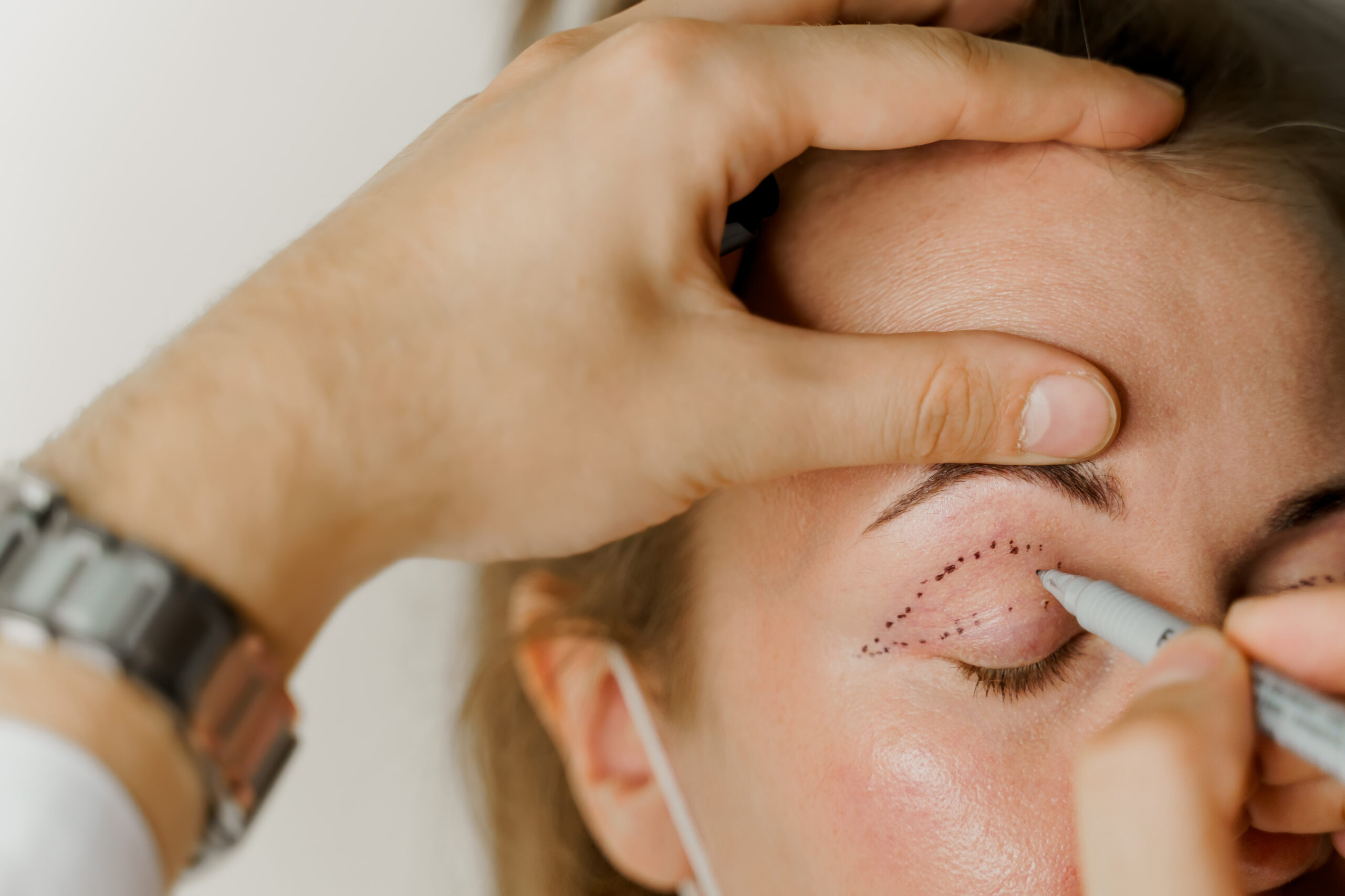
When people think about facial rejuvenation, they often assume that making a noticeable difference requires addressing a large portion of the face. But sometimes, a relatively focused change can have a surprisingly significant impact.
The eyes are one of the first features we notice when looking at someone’s face. When excess upper eyelid skin creates heaviness or under-eye bags create persistent puffiness, the entire face may appear more tired or aged—even when you feel energetic and well-rested.
Blepharoplasty, or eyelid surgery, addresses these specific changes by removing or repositioning excess skin and fat around the upper or lower eyelids. For the right patient, this targeted approach can create a more rested, refreshed appearance without fundamentally changing the character of the face.
At Quintessence Plastic Surgery in Austin, TX, board-certified plastic surgeon Dr. Aisha White performs upper and lower blepharoplasty for patients who want to address aging, heaviness, or puffiness around the eyes.
So, is blepharoplasty worth it? Understanding why the eyelids have such an influence on the appearance of the face can help explain why this relatively focused procedure may produce such a noticeable improvement.
Why the Eyes Have Such an Impact on the Appearance of the Face
Our eyes play an important role in expression and communication. Unfortunately, changes around the eyelids can sometimes communicate something we do not actually feel.
Heavy upper eyelids may create an appearance of fatigue or make the eyes seem less open. Puffy bags beneath the eyes can contribute to a chronically tired appearance that may persist regardless of how much sleep you get.
These changes may develop with age, but genetics can also play a significant role. Some people naturally develop excess upper eyelid skin or prominent under-eye bags earlier than others. Because the eyes occupy such a visually important area of the face, addressing these relatively small areas can influence how the face is perceived as a whole.
Blepharoplasty does not need to change your face to change how your face is perceived.
Instead, the goal is often to reduce the heaviness or puffiness that has begun distracting from the natural shape and expression of your eyes.
What Makes Blepharoplasty a High-Impact Procedure?
Blepharoplasty is highly targeted. Rather than attempting to address facial aging broadly, eyelid surgery focuses on the anatomical changes contributing to concerns around the eyes.
Depending on your needs, Dr. White may address:
- Excess or sagging upper eyelid skin
- Heavy upper eyelids
- Fine wrinkles caused by excess upper eyelid tissue
- Puffy bags beneath the eyes
- Excess lower eyelid skin
- Protruding or displaced fat around the lower eyelids
Removing excess tissue and appropriately repositioning fat can create smoother contours around the eyes and a more refreshed appearance. This is part of what can make blepharoplasty particularly rewarding for the right patient: a targeted correction can influence the overall impression of the face. The goal is not necessarily for someone to look at you and immediately identify what has changed. Ideally, the eyes simply look more rested and revitalized.
Upper vs. Lower Blepharoplasty: Where Is the Tired Look Coming From?
“Eyelid surgery” can refer to surgery of the upper eyelids, lower eyelids, or both. Determining which approach may provide the greatest benefit depends on the anatomy responsible for your concerns.
Upper Blepharoplasty
Upper eyelid surgery focuses on excess skin and tissue affecting the upper eyelids.
As skin loses elasticity, it may begin to sag or fold over the natural eyelid crease. This can make the eyes appear heavier and, in more significant cases, excess upper eyelid tissue may even interfere with peripheral vision.
During upper blepharoplasty, Dr. White removes excess skin and sagging tissue through an incision placed within the natural upper eyelid crease.
The result can be a more open, refreshed appearance while maintaining the natural shape of the eyes.
Lower Blepharoplasty
Lower eyelid surgery primarily addresses puffiness, bags, excess skin, and changes in fat beneath the eyes. Dr. White may remove or reposition excess fat to create a smoother lower eyelid contour. Excess sagging skin may also be removed when appropriate.
Depending on the patient’s anatomy and goals, the incision may be positioned beneath the lower lash line or on the inner surface of the eyelid using a transconjunctival approach.
For patients bothered by persistent under-eye bags, lower blepharoplasty can address structural changes that sleep, skincare, and lifestyle changes cannot necessarily correct.
Can Upper and Lower Blepharoplasty Be Performed Together?
Yes. Patients who have concerns affecting both the upper and lower eyelids may choose to have both areas treated during the same surgery.
Addressing the upper and lower eyelids together can create more comprehensive rejuvenation around the eyes while allowing the procedures to share a single surgical and recovery period.
Dr. White evaluates each area independently and recommends treatment based on your individual anatomy and aesthetic goals.
Are You a Candidate for Eyelid (Blepharoplasty) Surgery?
The answer ultimately depends on what is bothering you and whether eyelid surgery is the appropriate way to address it.
Blepharoplasty may be worth considering if you are bothered by:
- Heavy or sagging upper eyelids
- Excess upper eyelid skin
- Persistent bags or puffiness beneath the eyes
- Sagging lower eyelid skin
- Eyes that appear chronically tired despite adequate rest
- Upper eyelid tissue that interferes with your field of vision
The best candidates also have realistic expectations about what surgery can accomplish.
Before recommending eyelid surgery, Dr. White evaluates your eyelids, discusses your concerns and aesthetic goals, and determines whether upper blepharoplasty, lower blepharoplasty, a combination of the two, or another approach is most appropriate.
FAQs About Eyelid Surgery in Austin, TX
Considering Eyelid Surgery? Consult with Dr. Aisha White in Austin, TX
Sometimes, making a meaningful difference in facial appearance does not require changing the entire face. Because the eyes play such an important role in expression and how we perceive the face, carefully addressing excess eyelid skin, heaviness, or under-eye bags can create an improvement that extends beyond the eyelids themselves.
At Quintessence Plastic Surgery, board-certified plastic surgeon Dr. Aisha White performs upper and lower blepharoplasty for patients throughout Austin, West Lake Hills, Davenport, Rob Roy, Steiner Ranch, Northwest Hills, and surrounding areas.